Kraft paper is a kind of paper with high tensile strength and breaking strength. Its name comes from the early paper made of calfskin. Modern kraft paper is mainly made of wood fibers. Kraft paper is usually yellowish-brown in color and features toughness and flexibility. It is widely used in packaging, printing and other fields.
?
?
The main raw material of kraft paper is sulfate coniferous wood pulp, which is made by pulping process on a long net paper machine.The paper's wood fibers are naturally distributed clearly, with high strength and flexibility.In addition, the pulping process of kraft paper removes most of the lignin from the wood, which gives kraft paper high strength and yellowing resistance. The basis weight range of kraft paper is generally between 80 grams per square meter and 150 grams per square meter. It is divided into roll paper and sheet paper, and there are different surface treatment methods such as single-sided glossy, double-sided glossy and striped.
?
II. Uses of Kraft Paper
Kraft paper has a wide range of uses, mainly including:
- Packaging materials:?Such as paper bags, cement bag paper, file bags, envelope paper, asphalt paper, insulating paper, cable protection paper, etc.
?
- High-end product packaging:?Such as wine boxes, gift boxes for sportswear, etc.
?
- Food packaging: Kraft paper is suitable for food packaging because of its high tensile force and resistance to moisture and deformation, but high white kraft paper can not be used for food packaging because it contains fluorescent whitening agents.
?
- Other uses: Such as printing machine cylinder lining, boxboard surface paper, etc.
?
One of the most common uses of kraft paper is to make brown paper bags.Brown paper bags are becoming more and more popular.Brown paper bags first appeared more than a century ago, due to the popularity of plastic shopping bags, the popularity of kraft paper bags is not very extensive. But nowadays, with the enhancement of people's environmental awareness and the reduction of plastic waste, the demand and usage of paper bags are surging.
?
1. Material selection: Determines the basic performance
The material of kraft paper bag directly affects its strength, printing effect and environmental protection.
?
- White kraft paper: With a pure white color, it is suitable for printing bright patterns and is often used in high-end scenarios such as gift bags and brand packaging.
?
- Yellow kraft paper: Natural and environmentally friendly, with a relatively rough texture, it is suitable for brands that emphasize a natural style.
?
- Composite materials: such as paper-plastic composite bags (paper +PE film), waterproof and moisture-proof, suitable for packaging food and frozen products.
?
2. Thickness and Load-bearing Capacity: Determine Practicality
120g-180g is a common choice and suitable for daily use. Items weighing 180g or more are more suitable for heavy loads, such as clothing and food gift boxes. If you need to carry items weighing more than 5kg, it is recommended to choose a composite paper bag with three or more layers or a thickened double handle design.
?
3. Waterproof and Moisture-proof Performance: Ensuring the Safety of the Contents
If it is used in scenarios such as food, frozen products, and kitchen storage, it is recommended to choose kraft paper bags with PE film or composite waterproof layer. This type of bag can effectively prevent water from seeping in and protect the items inside from contamination or deterioration.
?
4. Design and Customization: Enhance Brand Recognition
- Printing methods: Supports offset printing, gravure printing, screen printing, etc. It is recommended to choose high-white kraft paper to achieve a more vivid printing effect.
?
- Customized services: Logos, text, patterns can be printed, and even UV and hot stamping processes are supported. It is suitable for brand promotion and personalized packaging.
?
- Handle design: A single handle is suitable for light and small items, while a double handle is suitable for heavy items or large-capacity packaging.
?
5. Environmental Protection Attribute: Green Packaging Trend
Fsc-certified kraft paper bags represent their origin from sustainable forest resources and are suitable for environmentally conscious brands. Plastic-free kraft paper bags (such as glassine paper + kraft paper) represent a new trend in eco-friendly packaging and are completely degradable.
?
6. Application Scenarios: Different Uses Correspond to Different Bag Types
- Food category: Self-sealing bags and laminated bags are recommended. They are waterproof and moisture-proof, suitable for baking, beverages, snacks, etc.
?
- For tea: It is recommended to use thickened kraft paper bags, which have moderate air permeability and are suitable for the natural aging of tea.
?
- For gifts: We recommend white cardboard paper bags or high-end paper bags with gilded designs to enhance the sense of ceremony when giving gifts.
?
- Clothing category: Large-sized handbags are recommended, with a thickness of 180g or more. Customized brand logos are available.
?
IV. Conclusions and Suggestions
When choosing the right kraft paper bag, a comprehensive consideration should be given to the material, thickness, load-bearing capacity, water resistance, design, environmental friendliness and usage scenarios.
?
- For daily light use: Choose 120g-150g white kraft paper bags that support printing.
?
- Brand promotion: Priority is given to white kraft paper bags weighing 180g or more. Customized printing and gilding processes are supported.
?
- Food packaging: Laminated or paper-plastic composite bags are recommended, which are waterproof and oil-proof
?
- Environmental protection requirements: Choose FSC-certified or plastic-free kraft paper bags to demonstrate the brand's sense of social responsibility.
?
- Heavy object transportation: It is recommended to choose composite paper bags with more than three layers and a double handle design to ensure safety.
?
Kraft paper is a type of paper made from wood fibers, featuring high strength and high burst resistance. It has a wide range of applications and excellent environmental protection performance. Its unique characteristics and diverse classifications enable it to play a significant role in fields such as packaging and printing.
?


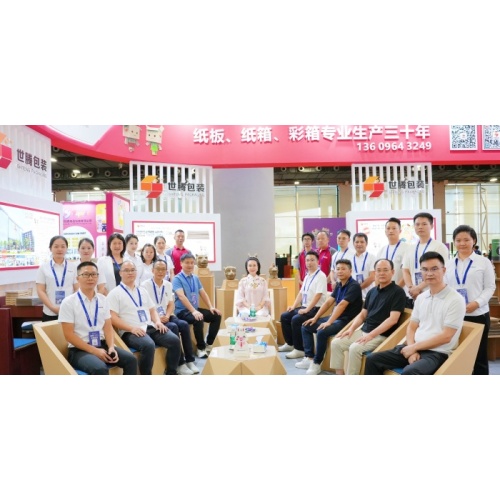


 Guangdong Shiteng Wisdom Technology Co., Ltd.


